In recent years, briquettes have become a preferred alternative to traditional fuels such as coal, wood, and gas. They are affordable, sustainable, and versatile for cooking, heating, and even industrial applications. However, simply using briquettes is not enough you also need to apply the right techniques to achieve the best results. By following proven tips to maximize briquette burning performance, you can save money, reduce emissions, and more.
Why Briquette Burning Performance Matters
Briquettes are designed to provide consistent and efficient energy, but their performance depends on how they are handled, stored, and burned. Optimizing their use ensures:
-
Higher Heat Efficiency: Stronger and longer-lasting fire.
-
Cost Savings: Reduced fuel consumption for the same energy needs.
-
Eco-Friendly Practices: Cleaner combustion with less smoke.
-
Improved User Experience: Easier cooking and heating with reliable results.
When used effectively, briquettes are not only practical but also contribute to sustainability goals.
Factors Affecting Briquette Burning
Before diving into specific tips to maximize briquette burning performance, it’s important to recognize the factors that influence efficiency:
-
Moisture Content – Wet briquettes burn poorly and release more smoke.
-
Airflow Supply – Without proper oxygen, combustion is incomplete.
-
Briquette Quality – Density, raw materials, and manufacturing process all matter.
-
Storage Method – Poor storage can weaken briquette performance.
-
Burning Equipment – Stove or fireplace design significantly affects efficiency.
Practical Tips to Maximize Briquette Burning Performance
Here are some effective strategies to make the most of your briquettes:
1. Store Briquettes in Dry Conditions
Moisture is the biggest enemy of briquette performance. Always keep them in a dry, well-ventilated area to preserve their density and quality.
2. Use Premium-Quality Briquettes
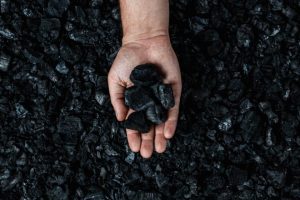
Not all briquettes are created equal. High-quality briquettes, such as those made from coconut shells, burn longer and cleaner. For more guidance, check this resource on how to improve briquette burning efficiency.
3. Ensure Adequate Air Circulation
Good airflow ensures complete combustion, which means stronger flames and less wasted fuel. Arrange briquettes in a way that allows oxygen to flow freely.
4. Preheat Before Cooking or Heating
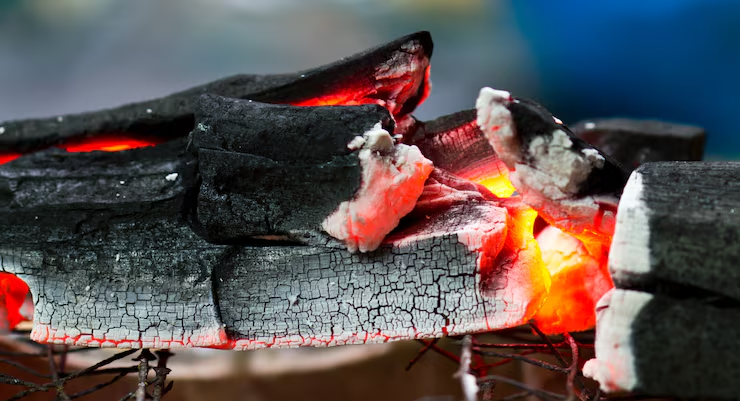
Allow briquettes to ignite fully before placing cookware or relying on them for heating. This stabilizes the temperature and prevents energy loss.
5. Clean Ash Regularly
Ash buildup reduces airflow and lowers heat output. Clean stoves or fireplaces regularly to maintain optimal burning conditions.
6. Mix with Other Biomass Fuels
In some cases, combining briquettes with small amounts of wood chips or agricultural residues can help sustain higher heat levels.
Environmental Benefits
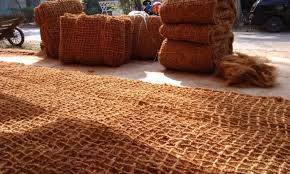
Maximizing briquette burning performance isn’t only about efficiency—it also supports sustainability. Briquettes are often made from recycled agricultural waste such as coconut husks, sawdust, and rice husks. Instead of going to waste, these materials are repurposed into valuable energy sources. If you’re interested in creative applications of natural materials, see this article on innovations in coconut husk processing.
By using briquettes efficiently, households reduce reliance on firewood, helping combat deforestation while lowering carbon emissions.
Economic Advantages
Better briquette performance also means economic savings. Households spend less on fuel, while industries benefit from lower energy costs. Additionally, briquette production opens up opportunities for small businesses, creating jobs and stimulating localeconomies.
Conclusion
Optimizing fuel use is essential for both households and industries, and briquettes are no exception. By applying simple yet effective tips to maximize briquette burning performance such as proper storage, ensuring good airflow, using high-quality products, and maintaining clean equipment you can achieve longer burn times, better heat output, and reduced emissions.
Notonly do these practices save money, but they also contribute to a healthier environment. By making conscious choices in how we use energy, we take a step toward a more sustainable future powered by efficient, eco-friendly briquettes.